

 

A Community-Led Health Adaptation Initiative

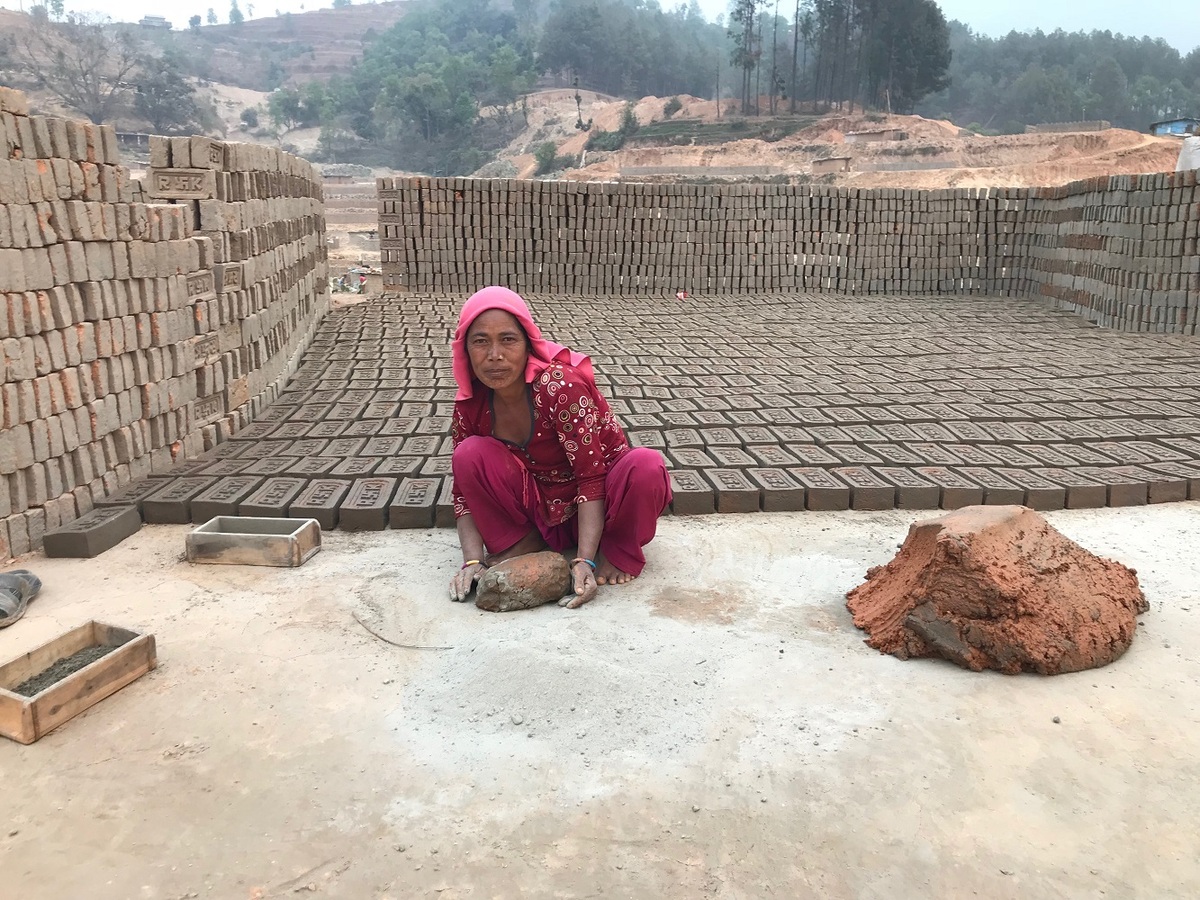
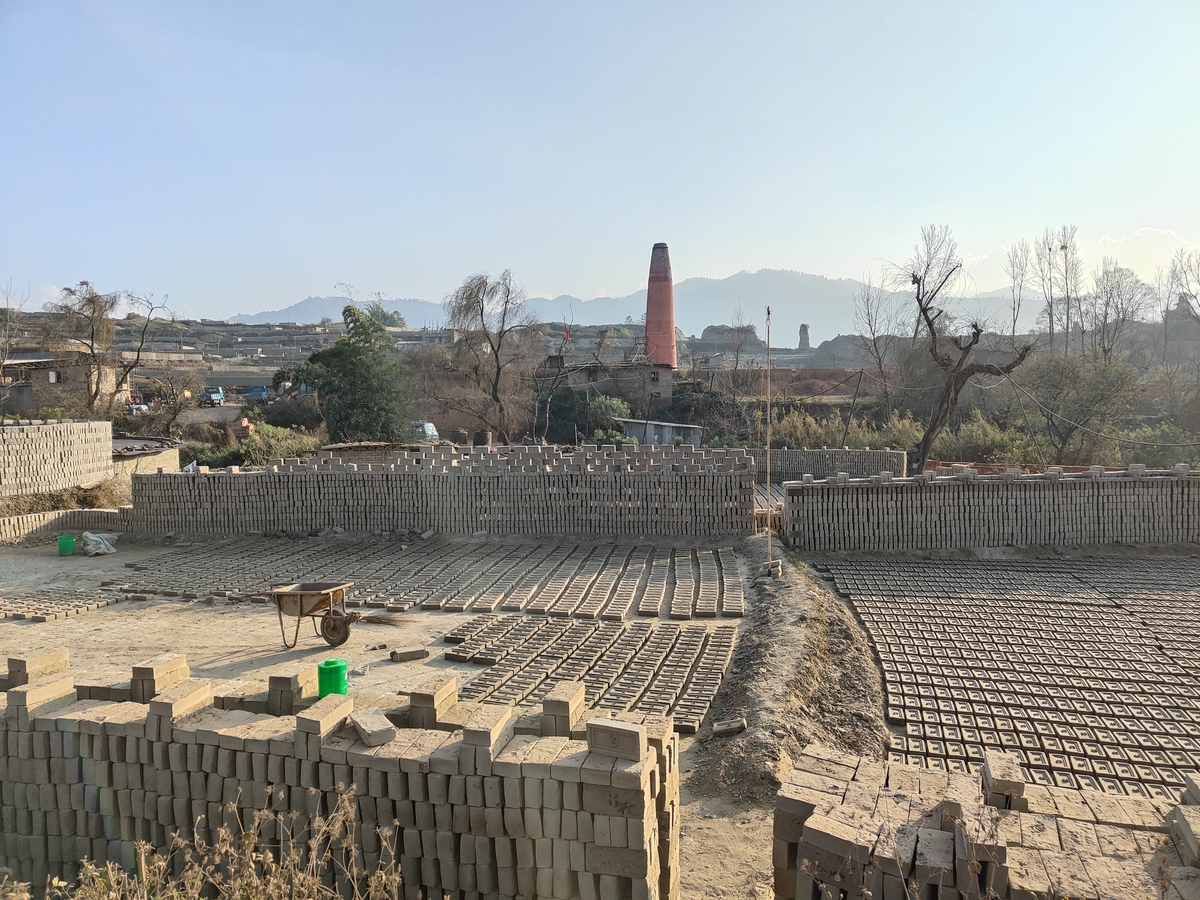
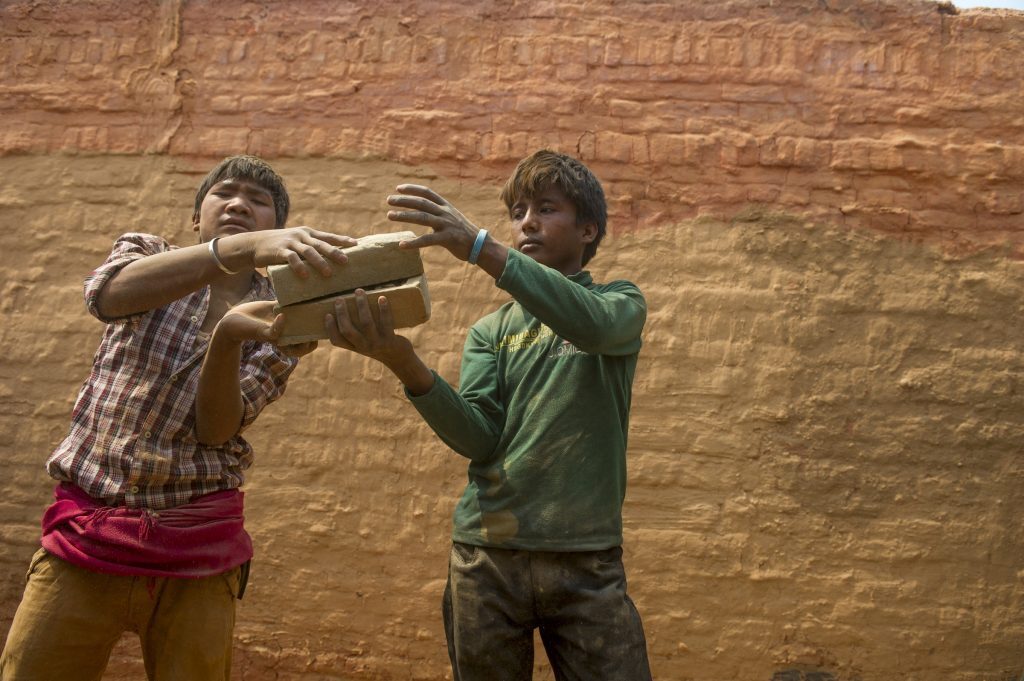
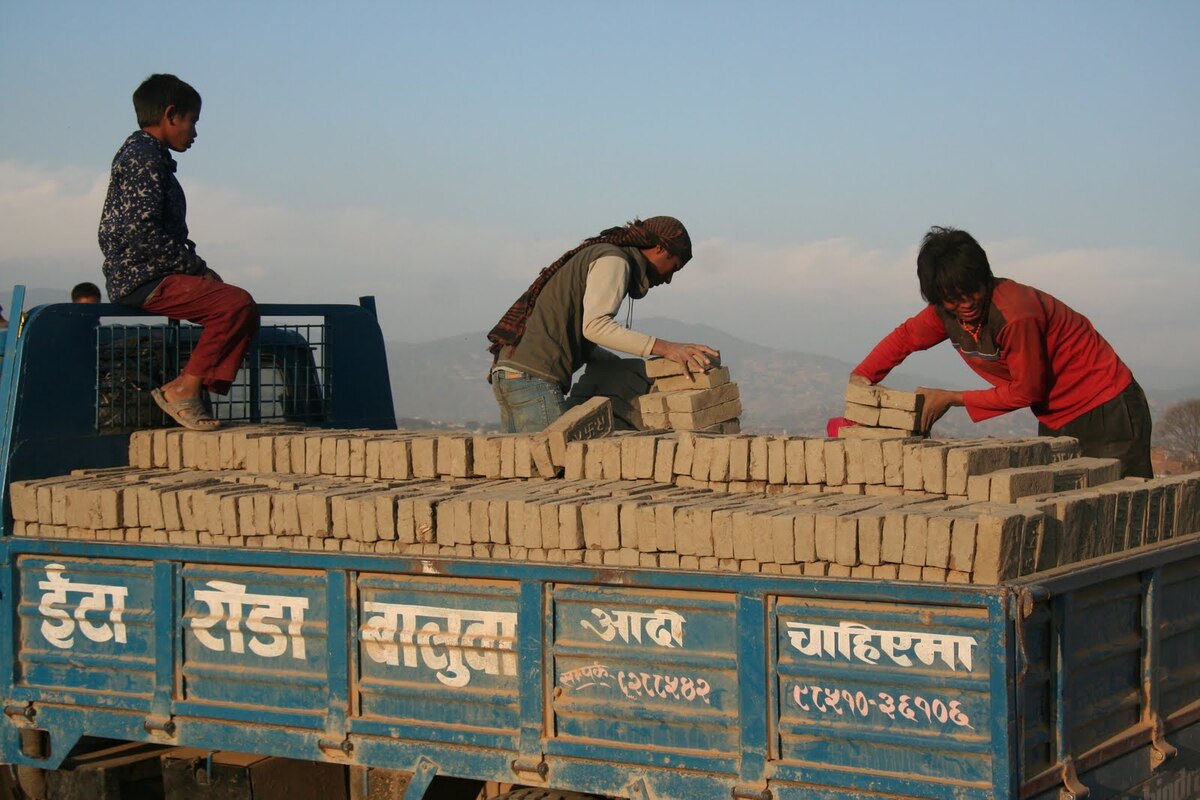
BetterBricks Nepal is a locally led public health initiative addressing health risk due to extreme heat for brick kiln workers and their families. Our work focuses on strengthening frontline health response in informal labor settings by integrating heat-illness prevention, early recognition, and referral into existing community health systems. By combining community-operated heat monitoring, context-specific health education, and clear referral pathways, BetterBricks aims to reduce preventable heat-related illness while building long-term resilience within climate-vulnerable communities.

0

Brick Kilns Engaged

0

Workers Reached Through Health Interventions

0

FCHVs Trained

0

Heat-Health Alerts & Actions Triggered

Our Principles

Community-Led Implementation

We prioritize community ownership in decision-making, implementation, and monitoring to ensure interventions are trusted, relevant, and locally sustained.

Health System Strengthening

We design interventions that strengthen existing community health systems through capacity building, tools, monitoring and evaluation.

Health-Focused Climate Adaptation

We address extreme heat as a preventable health risk by integrating early warning, behaviour-based protection, and referral pathways into frontline health response.

Our Model

Community-Led Health Initiatives

Co-designed interventions with workers, families, and local health volunteers to prevent heat-related illness.

Strengthening Frontline Health Capacity

Training Community Health Volunteers in heat-illness recognition, basic response, risk communication, and referral pathways.

Heat Early Warning Systems

Locally operated heat monitoring and alert systems informed by temperature and humidity thresholds.

Climate Health Preparedness

Practical preparedness activities focused on reducing exposure during extreme heat periods, including rest practices, hydration planning, and household-level risk reduction.

Heat Risk Behavior Change

Behaviour-focused interventions that promote early symptom recognition, timely rest and hydration, and appropriate care-seeking during high-risk heat periods.

Integration with Local Health Systems

Alignment with municipal health services to support referral pathways, data sharing, and long-term integration of heat-health protection into community health outreach.

Strengthening Community Health Responses to Extreme Heat

Partnering with local health systems to reduce preventable heat-related illness in climate-vulnerable communities.

Voices from the Community

Supporting Heat Protection in the Community 

"We learned how to recognize early signs of heat-related illness and take practical steps during the hottest days. The involvement of local health volunteers has helped workers understand when to rest, hydrate, and seek care, especially during extreme heat periods." - Brick kiln worker, project implementation area

Strengthening Frontline Health Response

"The training provided us with confidence to advise families during extreme heat and link them with health services when needed. This approach fits well with our existing community health work." -Female Community Health Volunteers

Creating a Safe Workplace

"The program helped workers better understand heat risks and practical steps such as rest scheduling, hydration, and early care-seeking. This has improved awareness at the worksite without disrupting production." - Brick kiln owner, Bhaktapur

Trusted by

FAQs

BetterBricks Nepal is a community-led public health program addressing extreme heat as a growing health risk for brick kiln workers and their families and working through Female Community Health Volunteers and local health systems to prevent heat-related illness, strengthen early recognition, and improve referral to care in climate-vulnerable settings.

The program combines health education, behaviour-based protection measures, and a simple heat early warning and action system. Trained community members and health volunteers use locally appropriate heat indicators to identify high-risk periods, support protective actions, and guide timely referral to health services when needed.

BetterBricks focuses on embedding heat-health protection into existing community health systems rather than delivering stand-alone activities. Training, tools, and monitoring are integrated into routine community outreach, enabling continuity, local ownership, and long-term use beyond the project.

The program combines low-cost, community-owned solutions with practical education and climate adaptation, making it scalable and suitable for similar sectors in Nepal and other low- and middle-income countries.

The model is low-cost and designed for use within existing health and community systems. By relying on local tools, community leadership, and health system integration, the approach can be adapted to other climate-vulnerable labor settings with similar risk profiles.

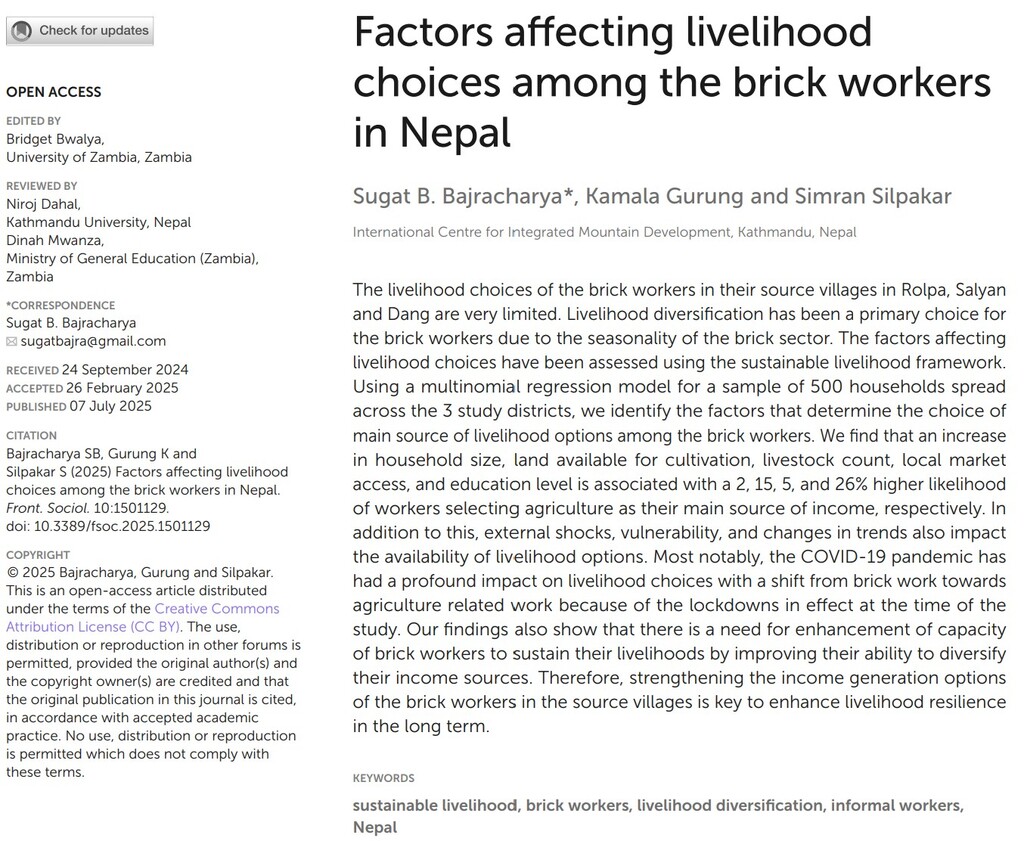
Factors Affecting Livelihood Choices Among Brick Workers in Nepal

The study highlights critical gaps in livelihood resilience, including limited market connectivity, lack of vocational skills, and weak financial access in source villages. It underscores the need for locally grounded interventions that strengthen agriculture–livestock systems, improve market access, expand vocational training, and link informal workers to social protection mechanisms.

Get in Touch